In 1973, the University of Southern California Signal and Image Processing Uni scanned a cropped 512 x 512 pixel image from a current Playboy magazine (Matthews, 11 May, 2015). This (image 1) relied on “aesthetic consistency to establish [its] unique identit[y] that can be recognized” (Lidwell, Holden and Butler, 20013). Matthews (11 May, 2015) says with “a resolution of 100 lines per inch, the resulting image was the perfectly cropped head and shoulders image 512 x 512 in size”. This image was/is consistent and “simplif[ies] usability and ease of learning” (Lidwell, Holden and Butler, 20013). The image has “variety” and “composition” (Evans & Thomas, 2004, p. 5), its details, “colour, focus, textures, reflections and flat regions… [which make] it amenable for testing a wide range of image processing algorithms” (Matthews, 11 May, 2015). In a huge, global marketplace this image, now one of the most viewed in the world, is aesthetically and functionally consistent.

Today many consider this image sexist and offensive. Yet, in its aesthetically consistent original form this image delighted and amused many women. At that time women refuted the novel and functionally consistent Playboy magazine’s sexist underpinnings. What they did accept was that, in an era when relaxed censorship allowed women’s beauty to be celebrated Playboy (Image 2.)
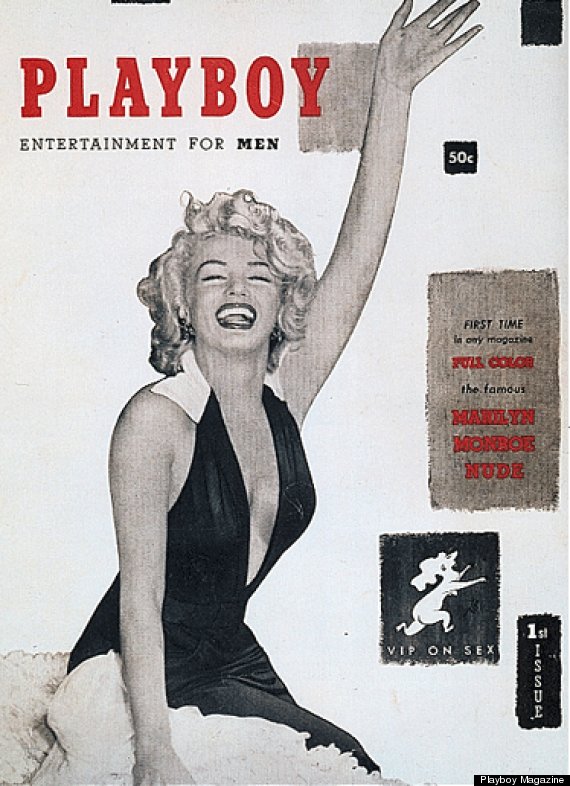
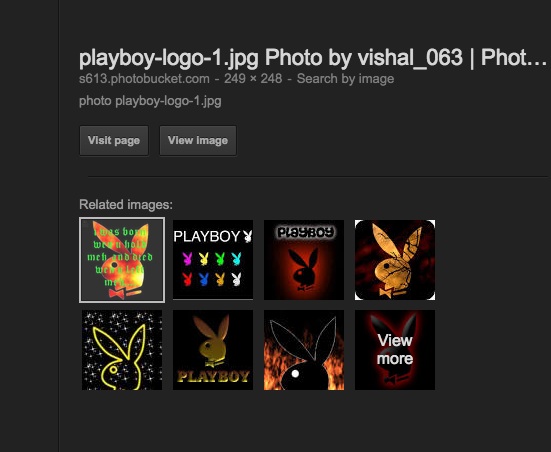

also showcased her rights, her independence, her sexual liberty, and her brains. (personal experience and conversations, 1970s-2015). Playboy’s Bunny “logo” (Image 3, Designboom, 2000), succeeded in signaling fun and personal liberty – aesthetic consistency (Lidwell, Holden & Butler, 2013). Now more than 60 years continuously published, Playboy’s famous logo (Image 4, Brelhan, 12 February, 2009), and magazine, are still successfully functioning consistently (Playboy Enterprises, 2015). From Image 5, through to Image 1, and today, Playboy continues in the: “elaboration of functionally complete objects for the sake of visual pleasure”Trilling (2001). By this process Playboy is still aesthetically consistent in “raising eyebrows, changing history and innovating style” (Playboy Enterprises, 2015).
Now, another aesthetically and functionally consistent logo and product. Peaceful Sleep’s (image 4) consistent approach ensures it is an un-forgetable product. Consistent shapes, sizes, and mechanisms (Lidwell, Holden & Butler, 2003) are already long familiar: the roll-on deodorant and shaving stick; squeeze tube sunblock and antiseptic creams, and spray cans of many previous insect repellents. Internally, the consistent creams and sprays look and feel attractive and reliably repel biting insects. – in any environment (Fodor’s Travel, 2015).
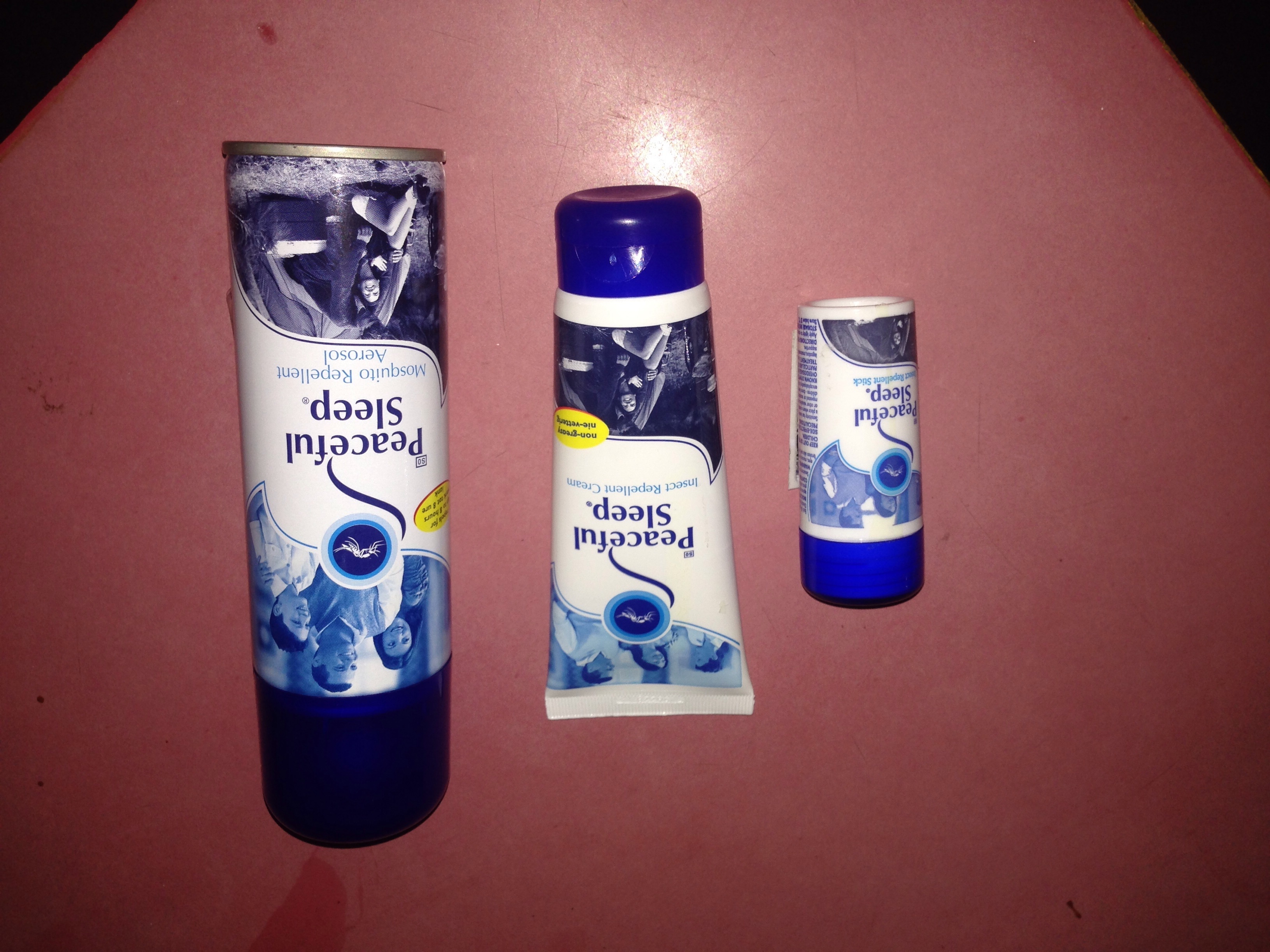
Great packaging restful blue and clean white colour contributes to the message. They demonstrate Evans’ and Thomas’ (2004, p. 26): “colour heightens the emotional and psychological dimensions of any visual image”.

Reference
Brelhan, T. (12 February, 2009). Screenshot. Jay Reatard, MGMT, Diplo, Q-Tip, Design Playboy Tees. News. Pitchfork. Mikal Cronin MCIII. [On-line Newsletter]. Retrieved from http://pitchfork.com/news/34608-jay-reatard-mgmt-diplo-q-tip-design-playboy-tees/
Design Boom. (2000). FAQ on the Playboy logo. [On-line Magazine]. Retrieved from http://www.designboom.com/portrait/playboy.html
Evans, P. & Thomas, M. A. (2004). Exploring the Elements of Design. Clifton Park, New York, USA: Delmar Learning.
Fodor’s Travel. (2015). Africa & the Middle East Forum. [On-line Newsletter] Retrieved from http://www.fodors.com/community/africa-the-middle-east/
Google Search. (2015). Screenshot of Playboy logos. Retrieved from s613photobucket.com
Harford, S. (2015). Image: Peaceful Sleep. Personal Image, 2015.
Huffington Post. (23 August, 2013).Image from: What the first issue of Playboy looked like.[On-line Newspaper]. Retrieved from http://www.huffingtonpost.com/2013/08/23/playboy-first-issue_n_3803465.html
Lidwell, W., Holden, K., & Butler, J. (2003). Aesthetic-Usability Effect. Universal principals of design. (pp. 18-19). Massachusetts: Rockport.
Matthews, R. (11 May, 2015). The Playboy centerfold at the centre of computer science. The Conversation.[Online Magazine]. Retrieved from http://theconversation.com/the-playboy-centrefold-at-the-centre-of-computer-science-41457 utm_medium=email&utm_campaign=Latest+from+The+Conversation+for+11+May+2015+-+2792&utm_content=Latest+from+The+Conversation+for+11+May+2015+-+2792+CID_39a6831839551a8e19b2a85f455fe9c5&utm_source=campaign_monitor&utm_term=The%20Playboy%20centrefold%20at%20the%20centre%20of%20computer%20science
Playboy Enterprises. (2015). Website. Retrieved from http://www.playboyenterprises.com/
Playboy Jazz Festival. (March – May 2010). Logo.[On-line Magazine]. Retrieved from http://www.smoothvibes.com/movabletype/archives/2010_04.html
Trilling, J. (2001). The Language of Ornament. London: Thames & Hudson.
 susanneah