In a surreal, human body-inhuman machine, “aesthetic usability“ encounter (Lidwell, Holden & Butler, 2003), Man Ray’s 1924 visual image transforms “Kiki’s body into a musical instrument“ (Image 1).
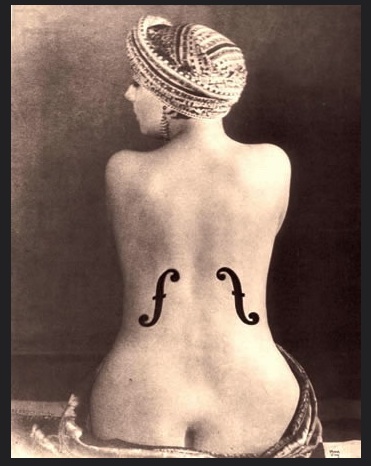
A normal, everyday encounter is the human hand playing a violin. Katz calls the human hand “a beautiful tool” (cited by Shaw Wilgis, 2014, p.15) and today, as always ”beauty is no quality in things themselves: It exists merely in the mind which contemplates them; and each mind perceives a different beauty” (Hume, 1792, davidhume.org). In this cyber/robotics-dominated era hands (image 1) are sublimely beautiful and useful – still.
The human hand fits the aesthetic-usability criteria (Lidwell, Holden & Butler, 2003). Katz says: “there is something poetic about the human hand. The beautiful synergy is of its form and function is indeed the “visible part of the brain”, and Shaw Wilgis (2014) describes the hand as “more sophisticated, more varied, and more productive than any other part of our body”.
My daughter’s fingers are long, elegant and tapered yet her hand is strong, her movements precise and productive. Her hands “interact” with her “environment”, is the “delicate instrument that… makes it possible for… [her] to knead dough” (Shaw Wilgis, 2014) for superb bread, or to play her violin beautifully (image 2.).
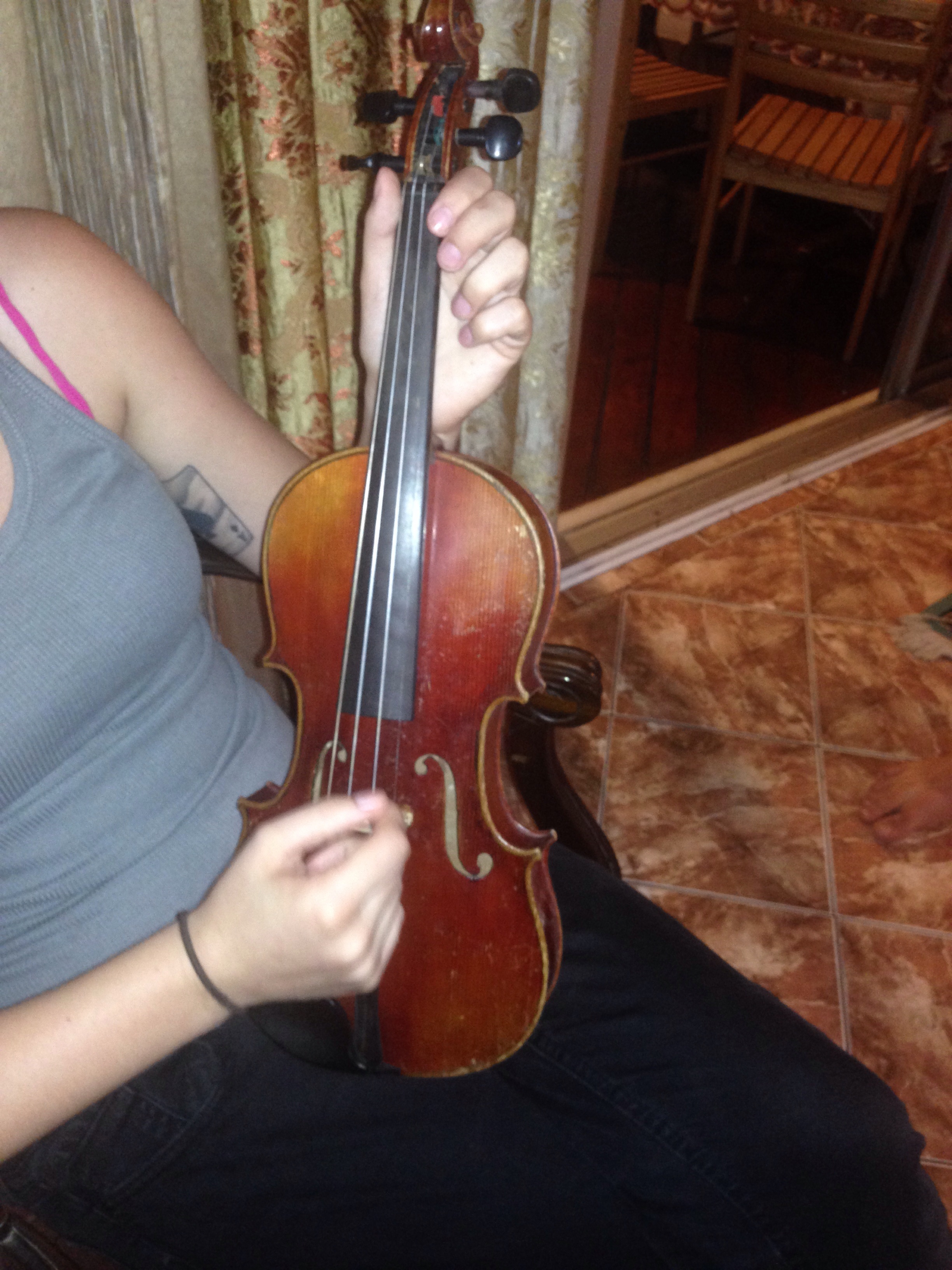
My daughter believes her violin (image 2) is beautiful, and creates beautiful music. So her violin is aesthetically usable (Lidwell, Holden & Butler, 2003). Joseph Curtin (February, 2007) describes his personal aesthetic-usability encounter fifteen years ago, when he put a particular 300-year old Stradivarius violin under his chin and played. Curtin’s experience involved two key human senses, sight and touch. Parts of his body, principally his eyes, skin and hands, engaged to produce music with this “Jackson” – its “aesthetic-usability” marker-nickname (Lidwell, Holden, & Butler, 2003).
Like the hand and violin, encounters between my feet and my red thongs (image 3.) create an aesthetic usability relationship. My red thongs demonstrate the aesthetic usability concept; like designer Romero, at the recent Milan Design Week exhibition of ″exclusive 3D-printed shoes”, says, they are
the old and the new, natural and man-made and the connection between the human body, the earth, and the universe — working together to become simultaneously timeless and forward-looking….intersection of architecture, art, and design (cited by Designboom, April 2015).
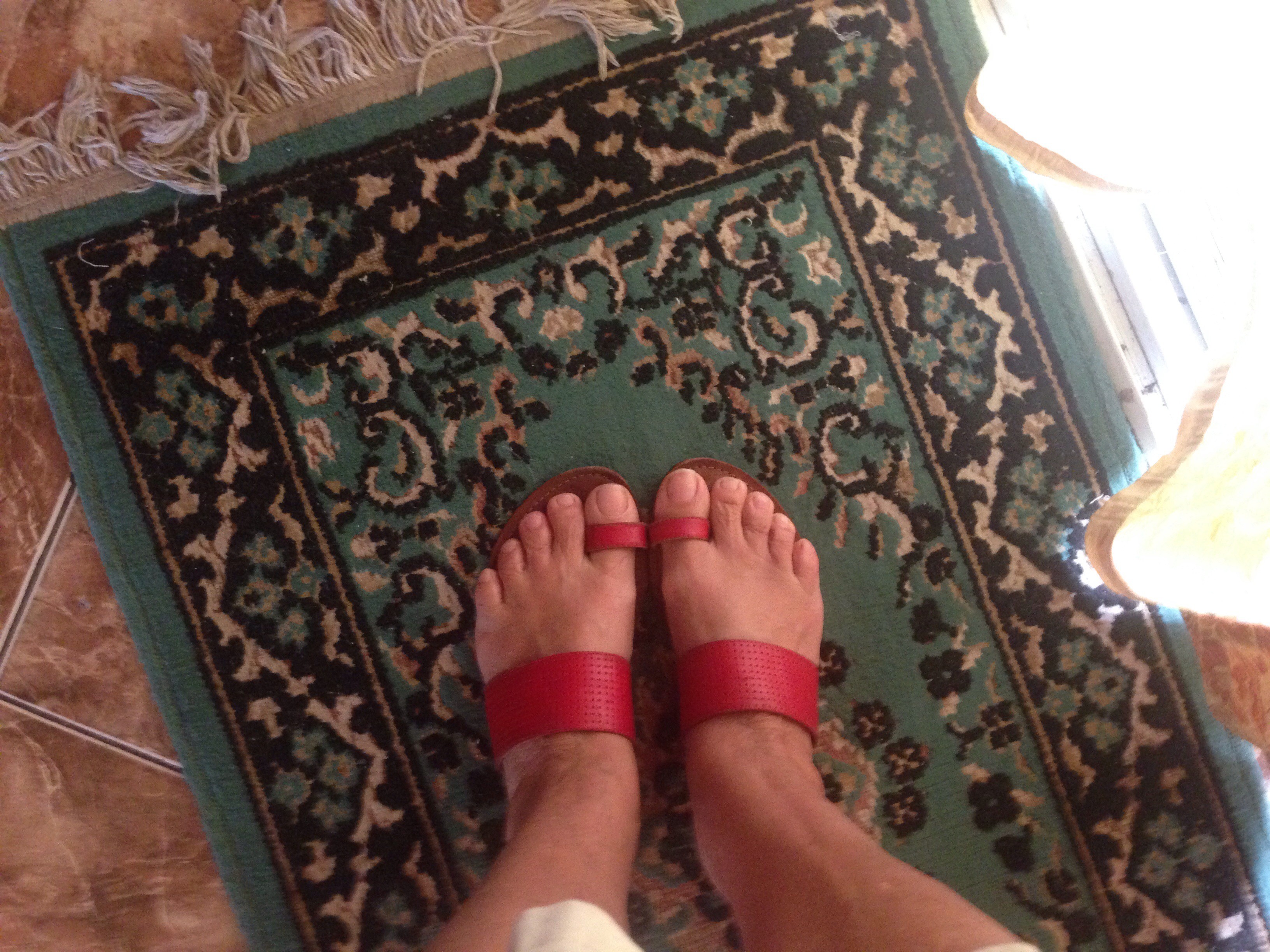
My two year-old red thongs clearly demonstrate aesthetic-usability: I love the way their leather looks and equally love their comfort. So good to wear, “appealing enough for [me] to buy” (Kurosu & Kashimura, 1995). Yet the conclusions of Lidwell, Holden and Butler (2003) fall short. All three items – the hands and violin, my thongs faithfully retain their aesthetic usability appeal: their colour and shape, even while they tramp, with me, through brambles and bushes, rocky headlands, and wander, with me, through stony, watery coral reefs at low tide. It’s the whole package – looks and performance – that appeals.
Reference
Man Ray. (1924). Le violon d’Ingres. 1924.J. Paul Getty Museum. Getty Images. (2015). Retrieved from http://www.getty.edu/art/collection/objects/54733/man-ray-le-violon-d%27ingres-ingres%27s-violin-american-1924/

 susanneah