11. LP W12 Q2 Wikipedia

Wikipedia calls itself “a special kind of website” (2015). When researching many subjects today it is common to find this special website occupying top positions in many Google results. Yet, as as Ducet Rand (2010) says:

the encyclopedia is openly edited by registered users. Wikipedia editors can edit their own and others entries, and some abuse of      this editorial power has been unveiled. Content editors have also   been criticized for publishing less than accurate content.

This is possibly why, for some years now, ECU has banned the use of Wikipedia, which is also an application.  Haque and Ahamed (November, 2006) say:

The usability and expansion of pervasive computing applications depends greatly on the security and reliability provided by the applications… as pervasive devices become incorporated in our day-to-day lives, security will increasingly become a common concern for all users – though for most it will be an afterthought – like many other computing functions.

Haque and Ahamed (November, 2006) continue with an analysis of security:

CIA (Confidentiality, Integrity, Availability) is the term commonly used to describe the required characteristics of security. Confidentiality ensures information is not exposed to any unauthorized user. Integrity indicates information has not been altered or falsified by an unauthorized user.

Wikipedia security has been of concern to many for some time.  Kittur, Chi, Pendleton, Suh & Mytkowicz (2006), say the situation is extremely complex. They explain, initially, (until 2004), individuals they describe as “elite users” carried out the majority of the work constructing Wikipedia. At that point a noticeable change occurred as “common users” took over and the “influence of the elite” fell away. Then also, a process of removing more words than contributing commenced, for the first time.

It seems Wikipedia problems may have developed as the “always readily available” Internet developed (Haque & Ahamed, 2006).  Wikipedia supplied Haque and Ahamed a vital reference in 2006, when “Wikipedia defines security as a “… platform, designed so that agents (users or programs) can only perform actions that have been allowed. This involves specifying and implementing a security policy””. However, as Haque and Ahamed go on to explain:

security in pervasive computing has been termed pervasive security.     Though pervasive security includes all the characteristics and requirements of computer security, it introduces some novel vulnerabilities and security rifts due to a few unique characteristics of pervasive computing.

Haque and Ahamed team the Wikipedia definition with Microsoft’s: “The protection of information assets through the use of technology, processes, and training” – on a vast system with unique, ubiquitous “vulnerabilities”. where Wikipedia itself may be a ubiquitous “mobile or embedded in the environment… security rift”  (Haque & Ahamed, 2006).

Haque and Ahamed (2006) discusses the  “transparent interaction of these computational devices with the users”, but, given the Wikipedia editorial abuse,  Now Wikipedia seems the opposite of the Haque and Ahamed (2006) view in that it now is capable of delivering a unique, ubiquitous type of “virtual reality” information service.

Reference

Doucet Rand. (2010). Mediating at the student-Wikipedia intersection. .Journal of Library Administration. 50 (7-8) 2010. 923-932  doi 10.1080/01930826.2010.488994

Haque, M., and Ahamed, S. I. November, (2006). Availability of Security in Pervasive Computing: Current Status and Open Issues. Marquette University. International Journal of Network Security 3  203–214 . Retrieved from http://www.researchgate.net/profile/Md_Haque23/publication/45728848_Security_in_Pervasive_Computing_Current_Status_and_Open_Issues/links/00b4952cc56091881b000000.pdf

Kittur, A.; Chi, E. H,; Pendleton, B. A. ; Suh, B. ; Mytkowicz, T. (2007).  Power of the few vs. wisdom of the crowd: Wikipedia and the rise of the bourgeoisie. Retrieved from https://www.parc.com/publication/1749/power-of-the-few-vs-wisdom-of-the-crowd.html

Wikipedia. (2015). What is Wikipedia? Retrieved from http://en.wikipedia.org/wiki/Wikipedia:Introduction
Aside

9. LP W11 A Three design examples

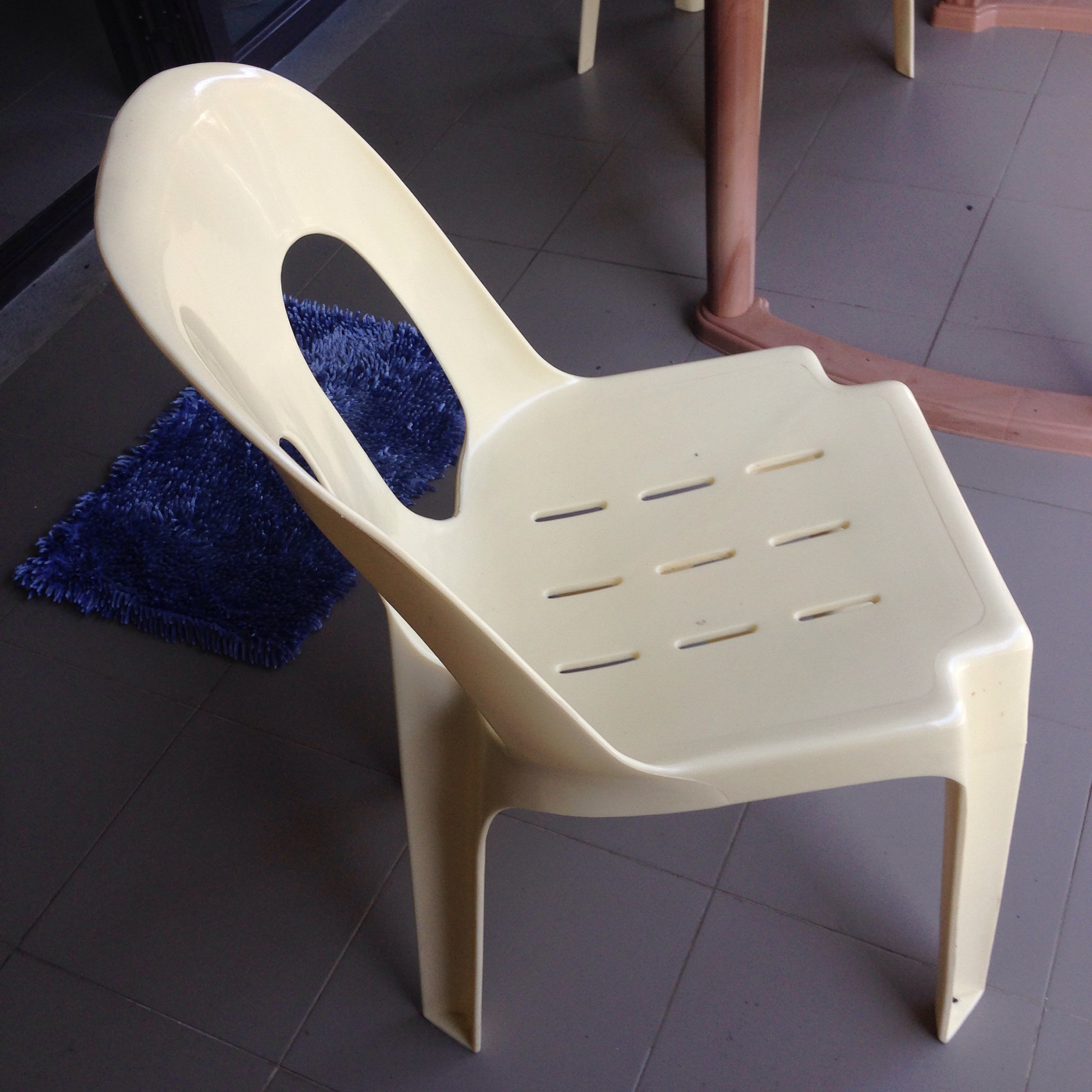
Little effort, mental or physical, is needed to use the  “virgin polypropylene” Pipee stacking chair (image 1). As it is extraordinarily light (Lifetime Industries website, 2015)  this chair fits the “kinematic… performance load” description (Lidwell, Holden and Butler 2003) . The chair design  is so familiar, so usable, that the makers can rely entirely on retained, long-term memories. The chair complies with “cognitive… performance load” – and the Lidwell, Holden and Butler “usability” criteria. As this is one of a set of four identical chairs it somehow fits these writers’ “consistency” definition. While touted as durable, ‘recycle’ appears nowhere on chairs or website. Aesthetics appears an alien concept, and Stahel’s (1982) “cradle to cradle” care and thought is probably unheard of .

Image 1. Pipee chair. S. Harford personal image, 2015.
Image 2. The Green Dot. S. Harford personal image, 2015.


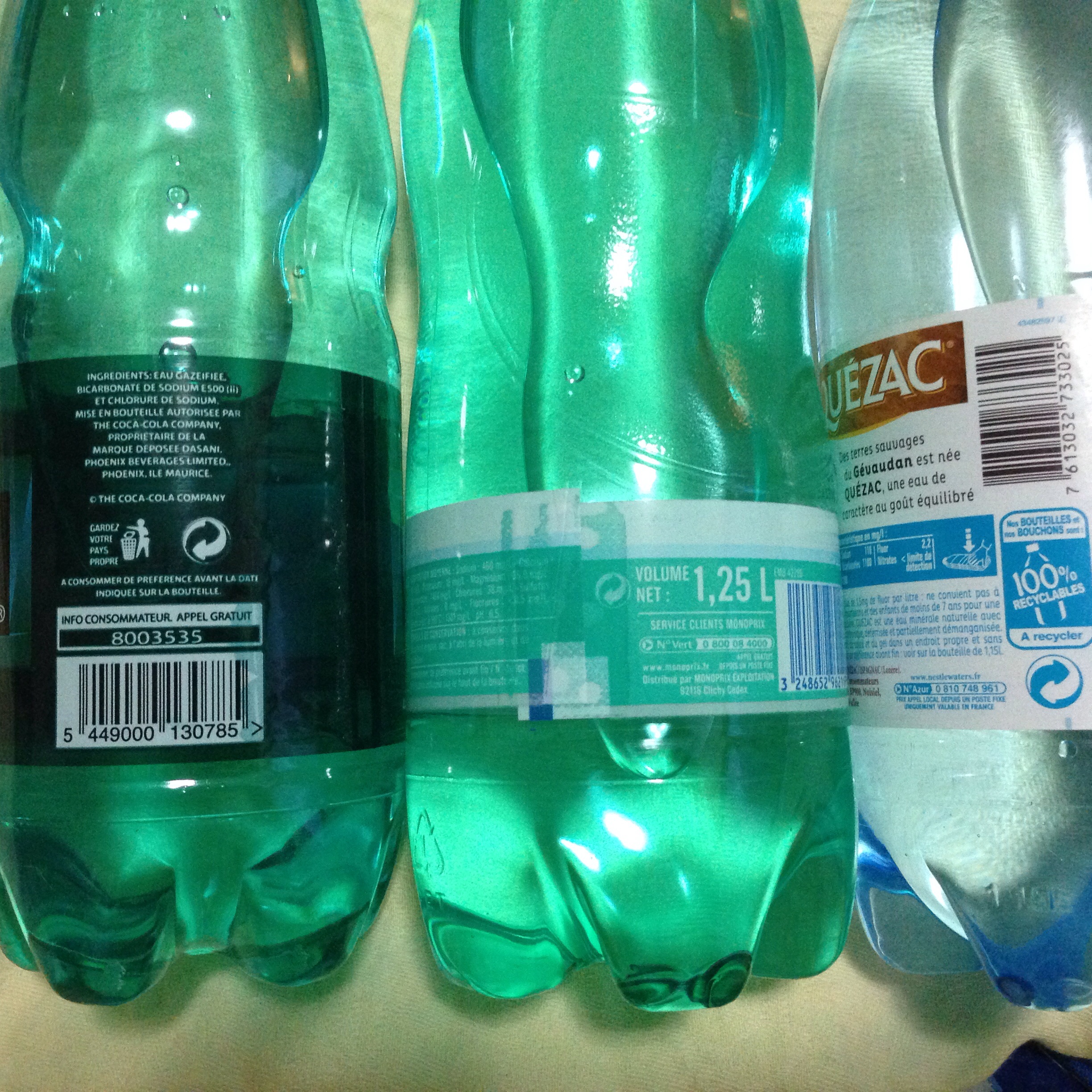
An enigmatic Green Dot Symbol (2015)  is in evidence (images 2 & 3) on the backs of three slightly-different-but-same and-performing-the-same plastic bottles of water. Symbols such as the Green Dot function like a logo – they carry a certain message. These messages are always “perceived” – correctly or incorrectly – in a certain way. So  this small symbol lightens, (for better or worse),  “mental … cognitive…  performance load”  (Lidwell, Holden & Butler, 2003).

Image 3. The Green Dot Symbol, 2015.


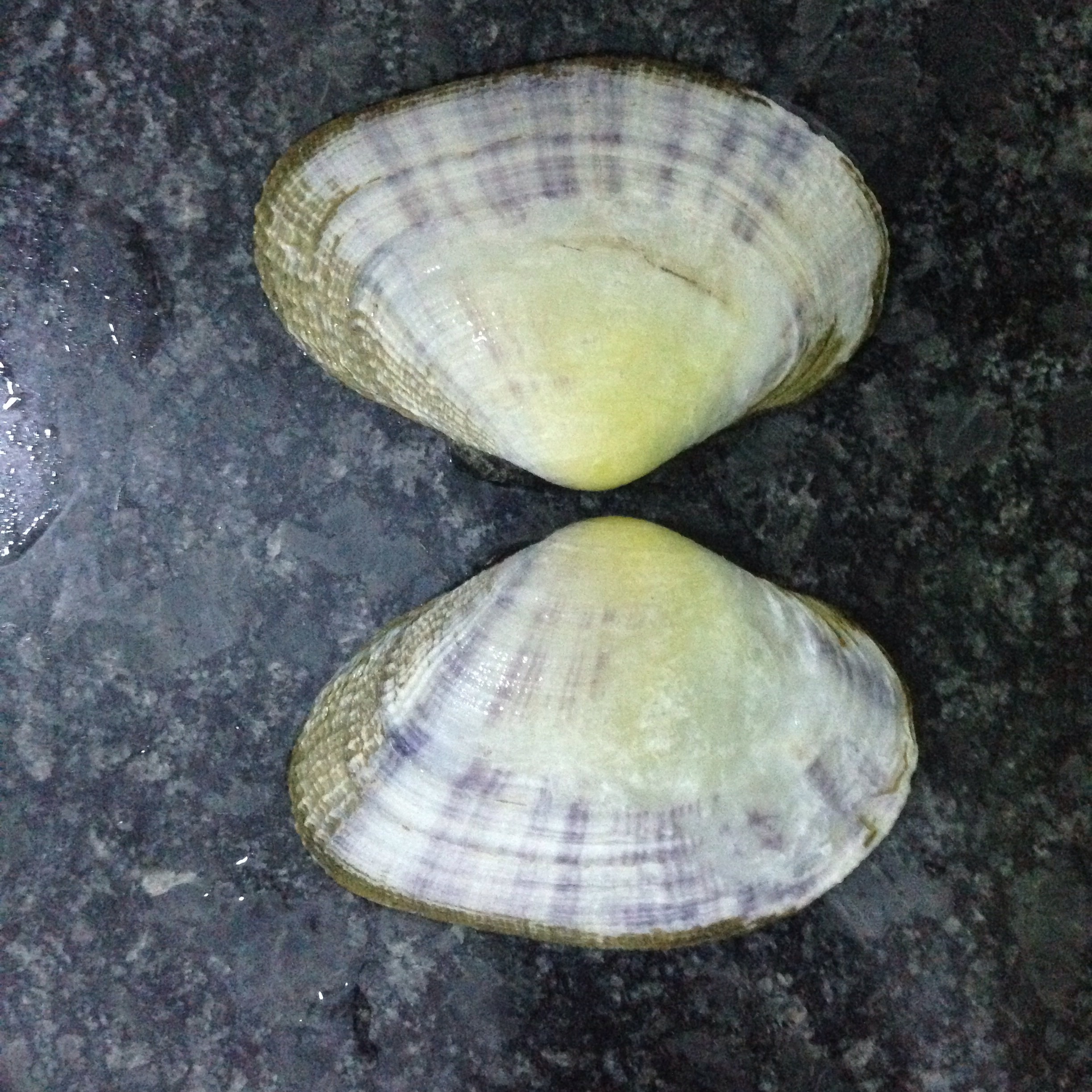
Image 3. Mauritius vongole. S. Harford personal image, 2015.
Image 4. Mauritius vongole. S. Harford personal image, 2015.

Image 4 shows is the former house of a most delicious creature. Always recognisable, all the same shape, colour and texture. The seeker’s performance, or cognitive load, is lessened, as, once seen and enjoyed they are forever recognisable. Regarding performance or kinematic load, again little effort is required.  Although these creatures may vary slightly in shape, all fit beautifully into the palm of a human hand and can easily be gathered into a bucket, and quickly pried open to eat, raw. Kinematic -performance load can be further reduced if steamed. Then all open obligingly – for ready access to their tasty  meat.

Reference 

Lifetime Industries. (2015). Pipee Stacking Chair. Website. Retrieved from http://www.lifetime.net.au/detail/pid/18/id/11/pipee-stacking-chairs

Harford, S. (2015). Personal images.

Stahel, W. R. (1982). The 30th. anniversary of Walter R. Stahel’s Prize-winning paper “The Product-Life-Factor”. Retrieved from http://www.product-life.org/en/the-30th-anniversary-of-walter-r-stahel-prize-winning-paper-the-product-life-factor

The Green Dot Symbol. (n.d.). Symbols.com. Retrieved May 25, 2015, from http://www.symbols.com/symbol/2025.

Aside

5. LP W10 Q2: Three Consistent Examples

In 1973, the University of Southern California Signal and Image Processing Uni scanned a cropped 512 x 512 pixel image from a current Playboy magazine (Matthews, 11 May, 2015). This (image 1) relied on “aesthetic consistency to establish [its] unique identit[y] that can be recognized” (Lidwell, Holden and Butler, 20013). Matthews (11 May, 2015) says with “a resolution of 100 lines per inch, the resulting image was the perfectly cropped head and shoulders image 512 x 512 in size”. This image was/is consistent and “simplif[ies] usability and ease of learning” (Lidwell, Holden and Butler, 20013). The image has “variety” and “composition” (Evans & Thomas, 2004, p. 5), its details, “colour, focus, textures, reflections and flat regions… [which make] it amenable for testing a wide range of image processing algorithms” (Matthews, 11 May, 2015). In a huge, global marketplace this image, now one of the most viewed in the world, is aesthetically and functionally consistent.

Image 1. The original Lenna test image from the University of Southern California Signal and Image Processing Institute. SIPI image Database - 20150507. (Matthews, 11 May, 2015).
Image 1. The original Lenna test image from the University of Southern California Signal and Image Processing Institute. SIPI image Database – 20150507. (Matthews, 11 May, 2015).

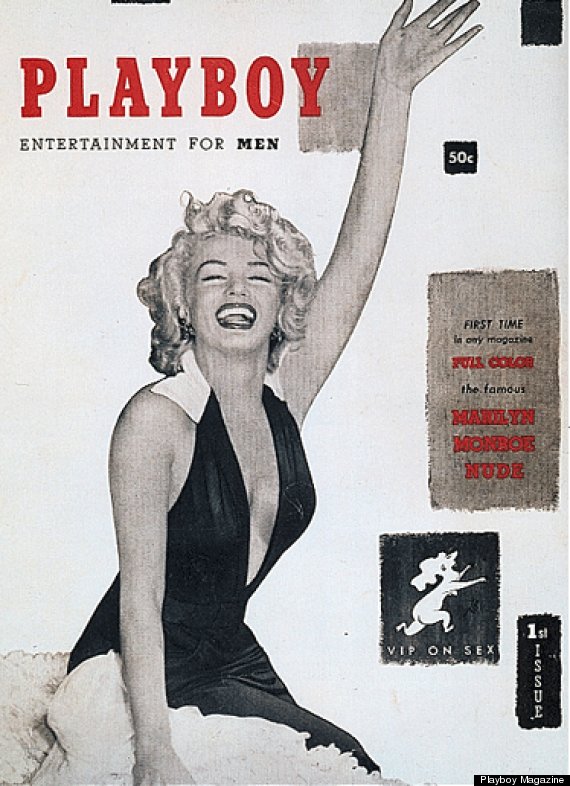
Today many consider this image sexist and offensive. Yet, in its aesthetically consistent original form this image delighted and amused many women. At that time women refuted the novel and functionally consistent Playboy magazine’s sexist underpinnings. What they did accept was that, in an era when relaxed censorship allowed women’s beauty to be celebrated Playboy (Image 2.)

Image 2.
Image 2. Playboy Magazine, December, 1953. Huffington Post, May 23, 2015.
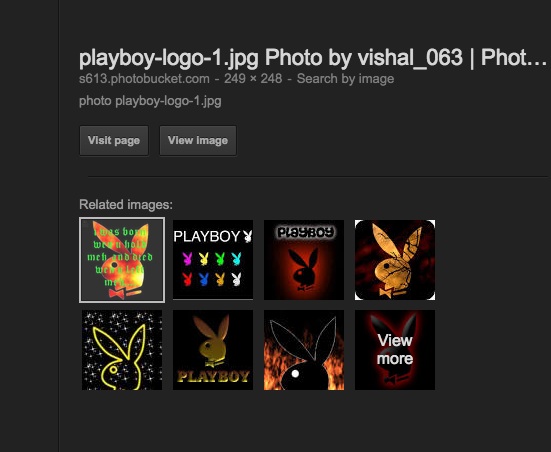
Image 3.
Image 3. Playboy logo, Google search, Screen shot, 2015.
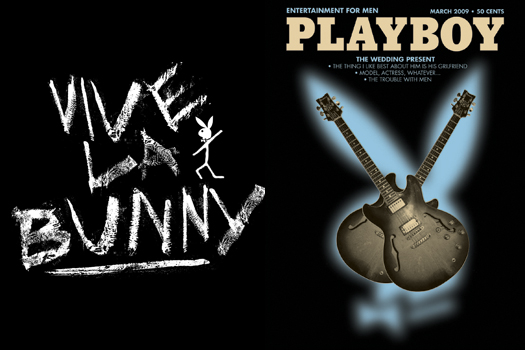
Image 4.
Image 4. Playboy T-shirts, Brelhan, 12 February, 2009, Pitchfork.

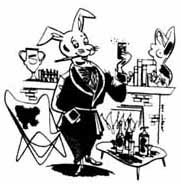
also showcased her rights, her independence, her sexual liberty, and her brains. (personal experience and conversations, 1970s-2015). Playboy’s Bunny “logo” (Image 3, Designboom, 2000), succeeded in signaling fun and personal liberty – aesthetic consistency (Lidwell, Holden & Butler, 2013). Now more than 60 years continuously published, Playboy’s famous logo (Image 4, Brelhan, 12 February, 2009), and magazine, are still successfully functioning consistently (Playboy Enterprises, 2015). From Image 5, through to Image 1, and today, Playboy continues in the: “elaboration of functionally complete objects for the sake of visual pleasure”Trilling (2001). By this process Playboy is still aesthetically consistent in  “raising eyebrows, changing history and innovating style” (Playboy Enterprises, 2015).

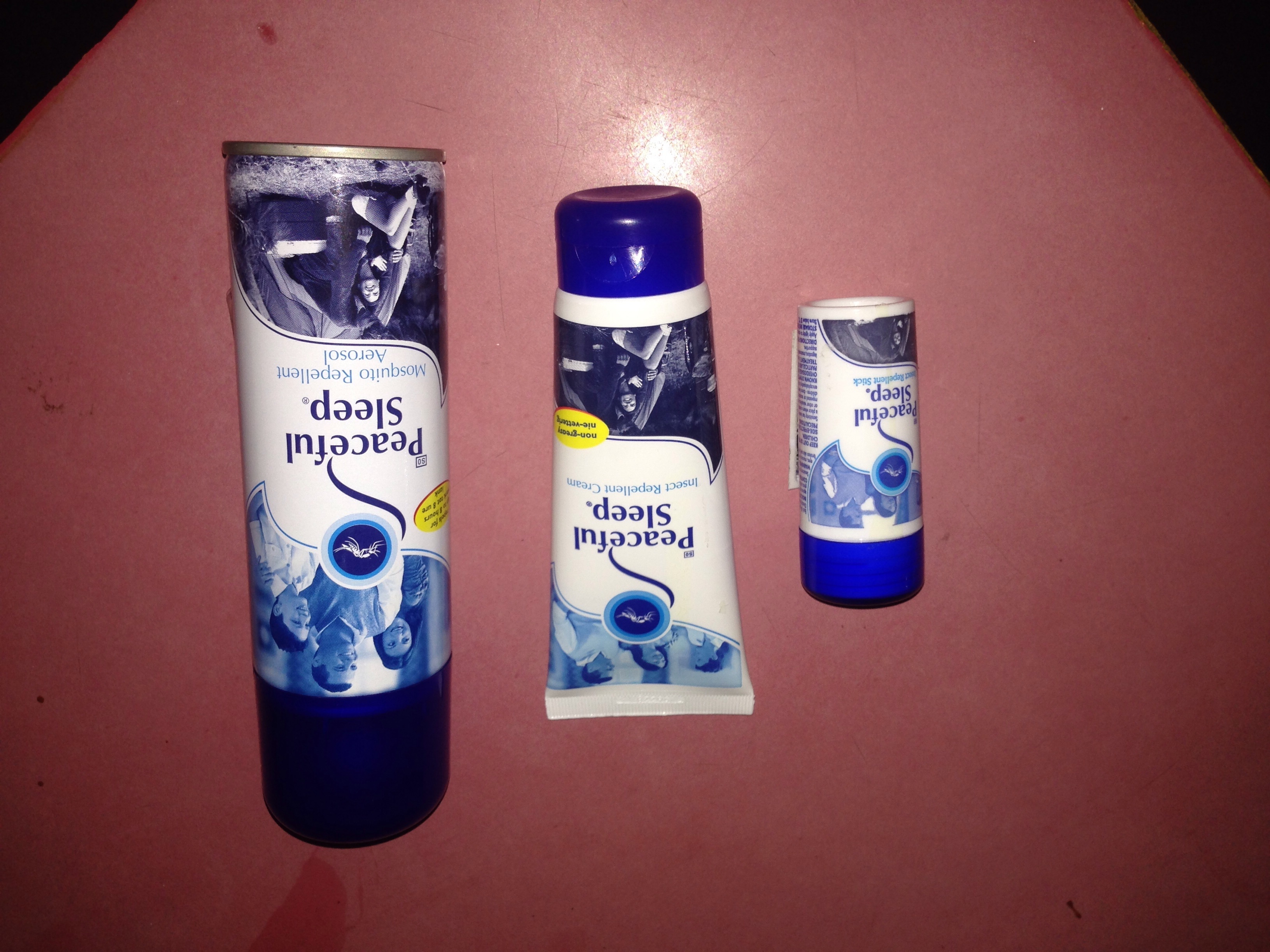
Now, another aesthetically and functionally consistent logo and product. Peaceful Sleep’s (image 4) consistent approach ensures it is an un-forgetable product. Consistent shapes, sizes, and mechanisms (Lidwell, Holden & Butler, 2003) are already long familiar: the roll-on deodorant and shaving stick; squeeze tube sunblock and antiseptic creams, and spray cans of many previous insect repellents. Internally, the consistent creams and sprays look and feel attractive and reliably repel biting insects. – in any environment (Fodor’s Travel, 2015).

Image 4. Peaceful sleep. Personal image, 2015.

Great packaging restful blue and clean white colour contributes to the message. They demonstrate Evans’ and Thomas’ (2004, p. 26):  “colour heightens the emotional and psychological dimensions of any visual image”.


Image 5. 1st Playboy logo, Designboom, 2015.

Reference

Brelhan, T. (12 February, 2009). Screenshot. Jay Reatard, MGMT, Diplo, Q-Tip, Design Playboy Tees. News. Pitchfork. Mikal Cronin MCIII. [On-line Newsletter]. Retrieved from http://pitchfork.com/news/34608-jay-reatard-mgmt-diplo-q-tip-design-playboy-tees/

Design Boom. (2000). FAQ on the Playboy logo. [On-line Magazine]. Retrieved from http://www.designboom.com/portrait/playboy.html

Evans, P. & Thomas, M. A. (2004). Exploring the Elements of Design. Clifton Park, New York, USA: Delmar Learning.

Fodor’s Travel. (2015). Africa & the Middle East Forum. [On-line Newsletter] Retrieved from http://www.fodors.com/community/africa-the-middle-east/

Google Search. (2015). Screenshot of Playboy logos. Retrieved from s613photobucket.com

Harford, S. (2015). Image: Peaceful Sleep. Personal Image, 2015.

Huffington Post. (23 August, 2013).Image from: What the first issue of Playboy looked like.[On-line Newspaper]. Retrieved from http://www.huffingtonpost.com/2013/08/23/playboy-first-issue_n_3803465.html

Lidwell, W., Holden, K., & Butler, J. (2003). Aesthetic-Usability Effect. Universal principals of design. (pp.   18-19). Massachusetts: Rockport.

Matthews, R. (11 May, 2015). The Playboy centerfold at the centre of computer science. The Conversation.[Online Magazine]. Retrieved from http://theconversation.com/the-playboy-centrefold-at-the-centre-of-computer-science-41457 utm_medium=email&utm_campaign=Latest+from+The+Conversation+for+11+May+2015+-+2792&utm_content=Latest+from+The+Conversation+for+11+May+2015+-+2792+CID_39a6831839551a8e19b2a85f455fe9c5&utm_source=campaign_monitor&utm_term=The%20Playboy%20centrefold%20at%20the%20centre%20of%20computer%20science

Playboy Enterprises. (2015). Website. Retrieved from http://www.playboyenterprises.com/

Playboy Jazz Festival. (March – May 2010). Logo.[On-line Magazine]. Retrieved from http://www.smoothvibes.com/movabletype/archives/2010_04.html

Trilling, J. (2001). The Language of Ornament. London: Thames & Hudson.

5. LP W10 Q2: Three Consistent Examples